



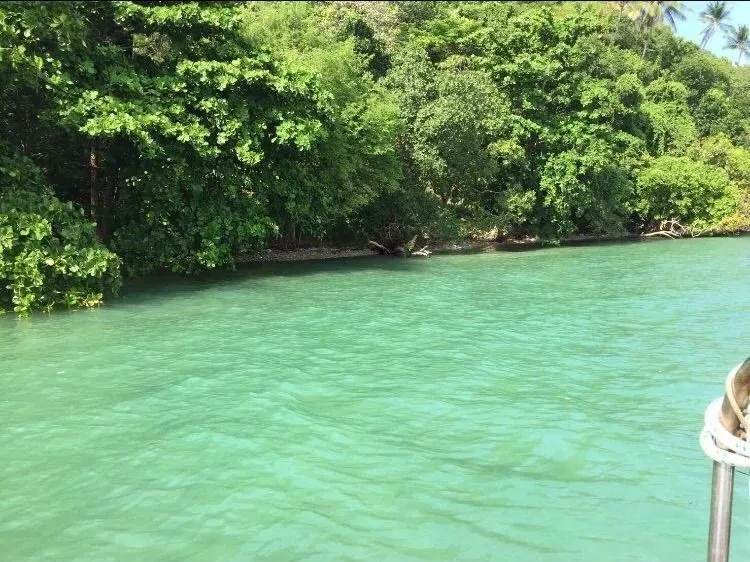
 For sale
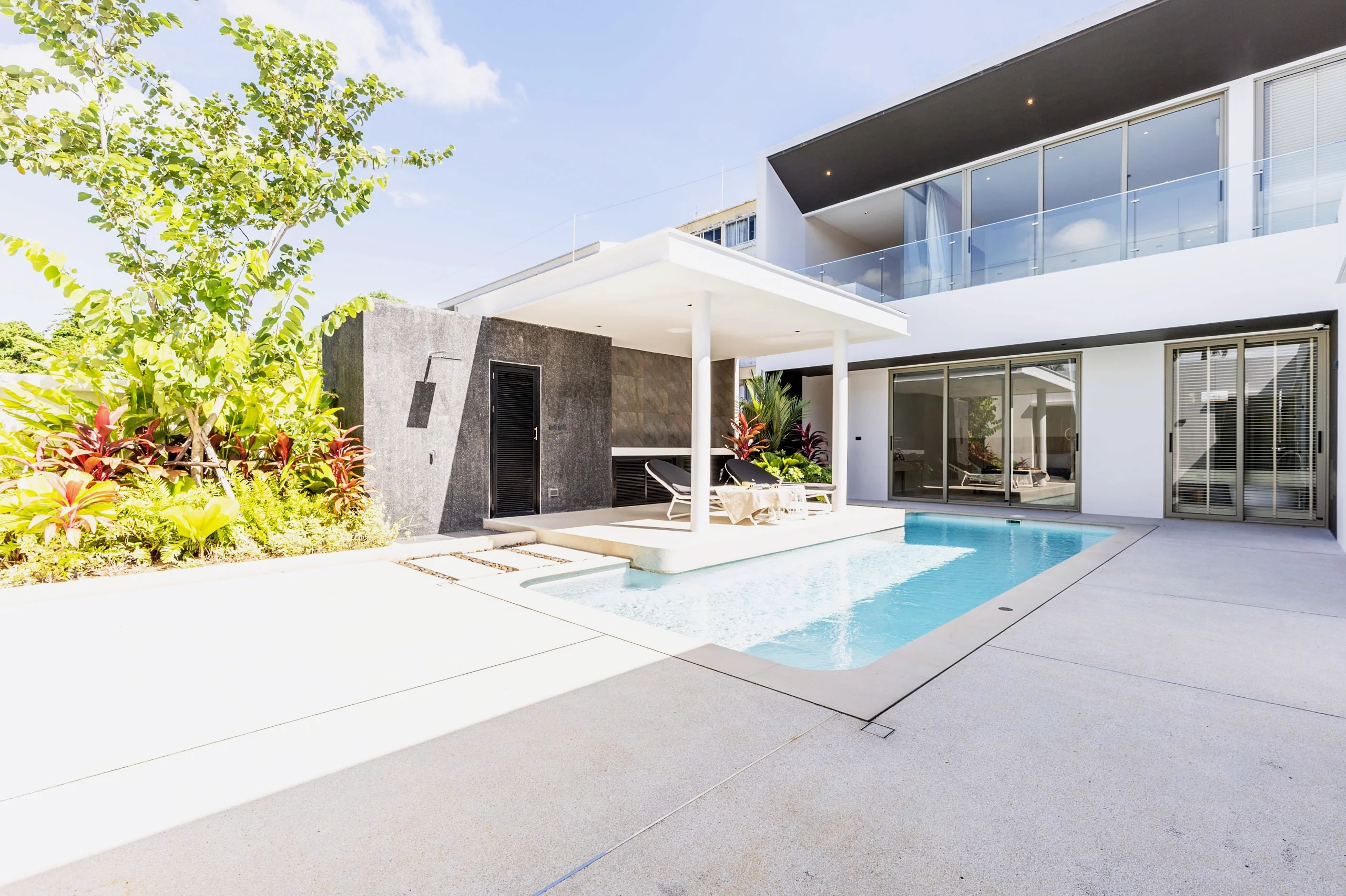
Area guide
Rawai and Nai Harn property guide
The southern tip of Phuket is where many people stop visiting and start living. Rawai and Nai Harn are green and properly residential, with a long-stay community that has been here for decades. This is Khun Mark's guide to buying and renting at the bottom of the island.
The Collection
Homes Khun Mark can show you in Rawai and Nai Harn
For sale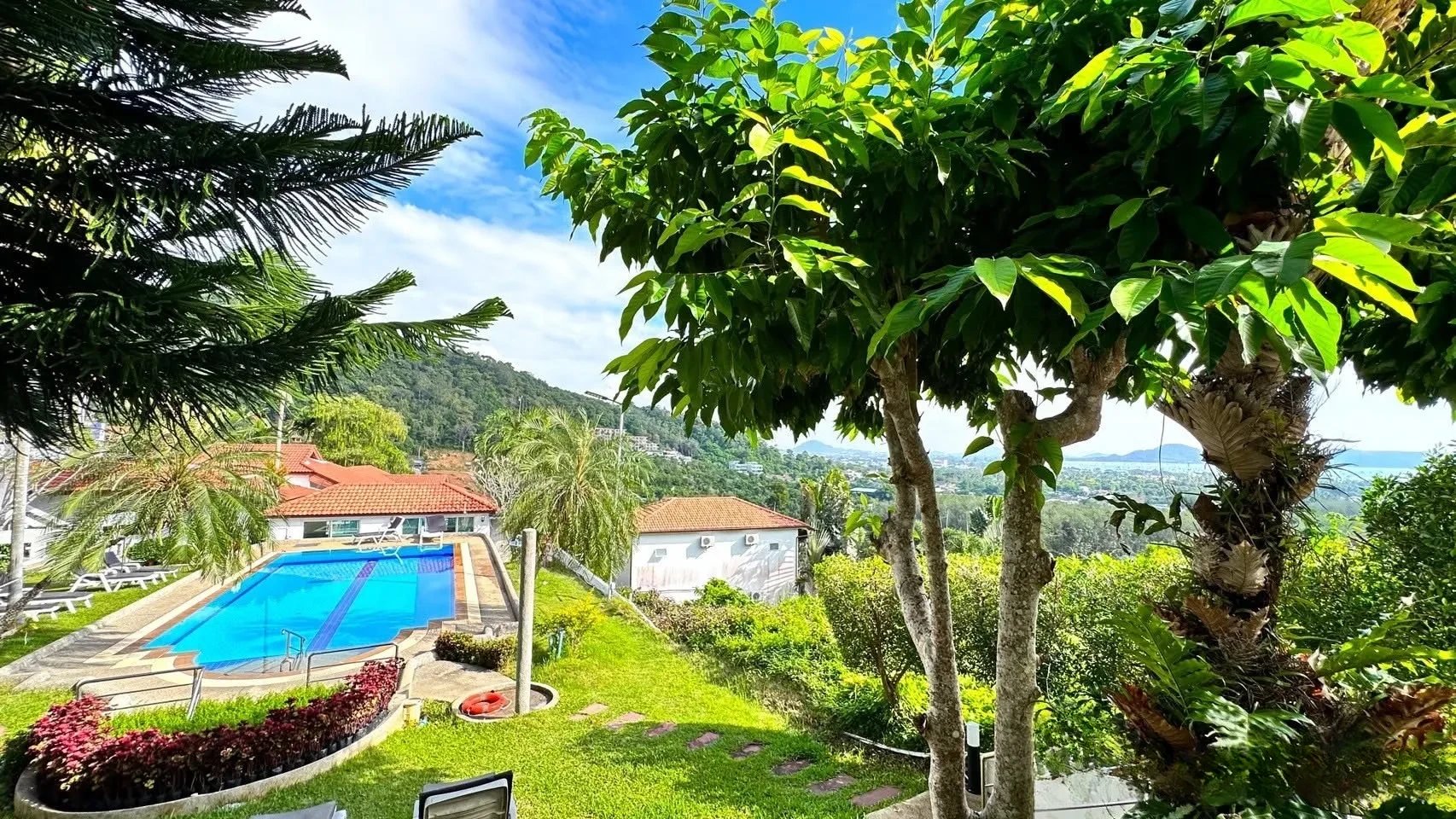 For rent
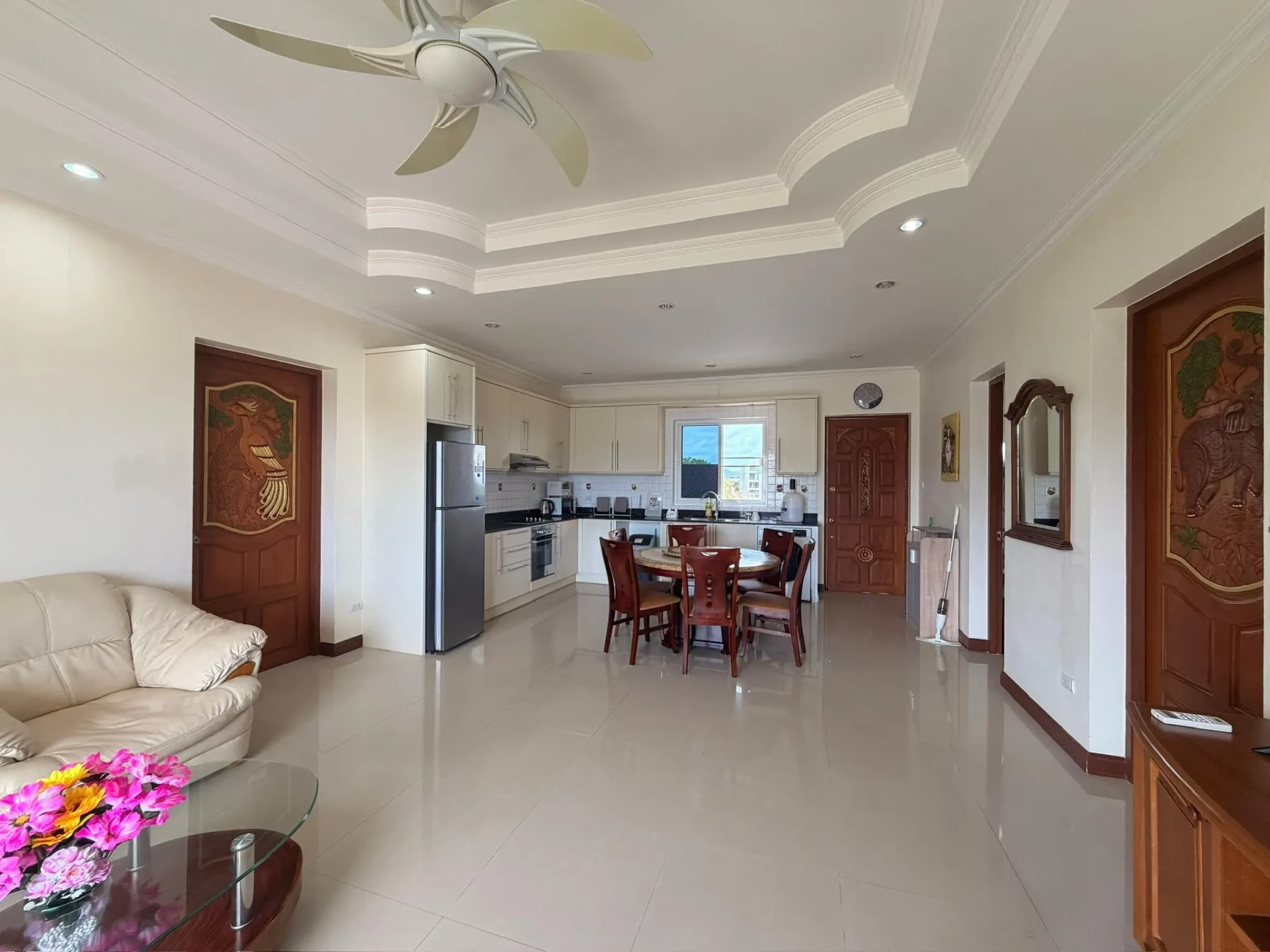 For rent
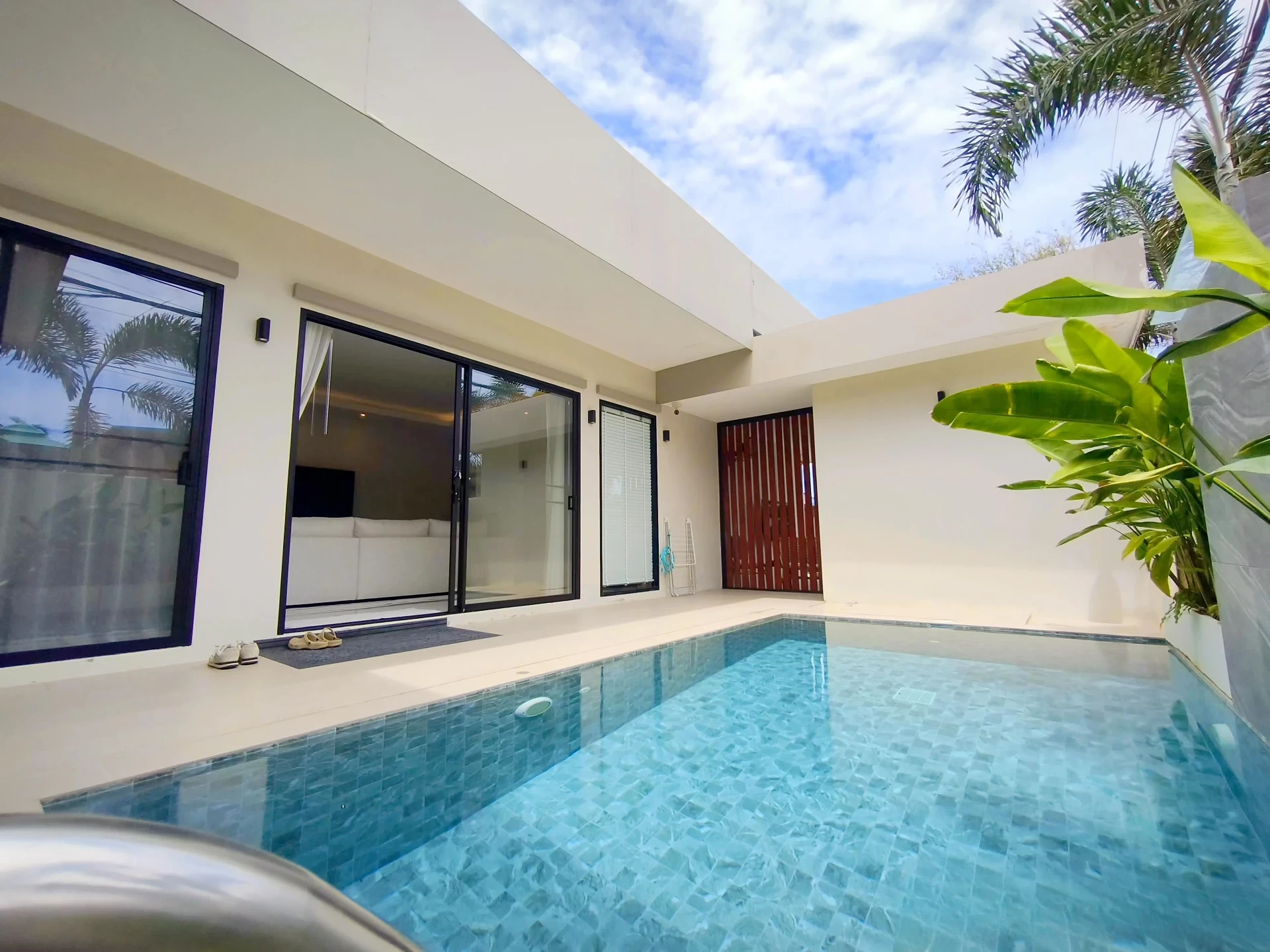 For rent
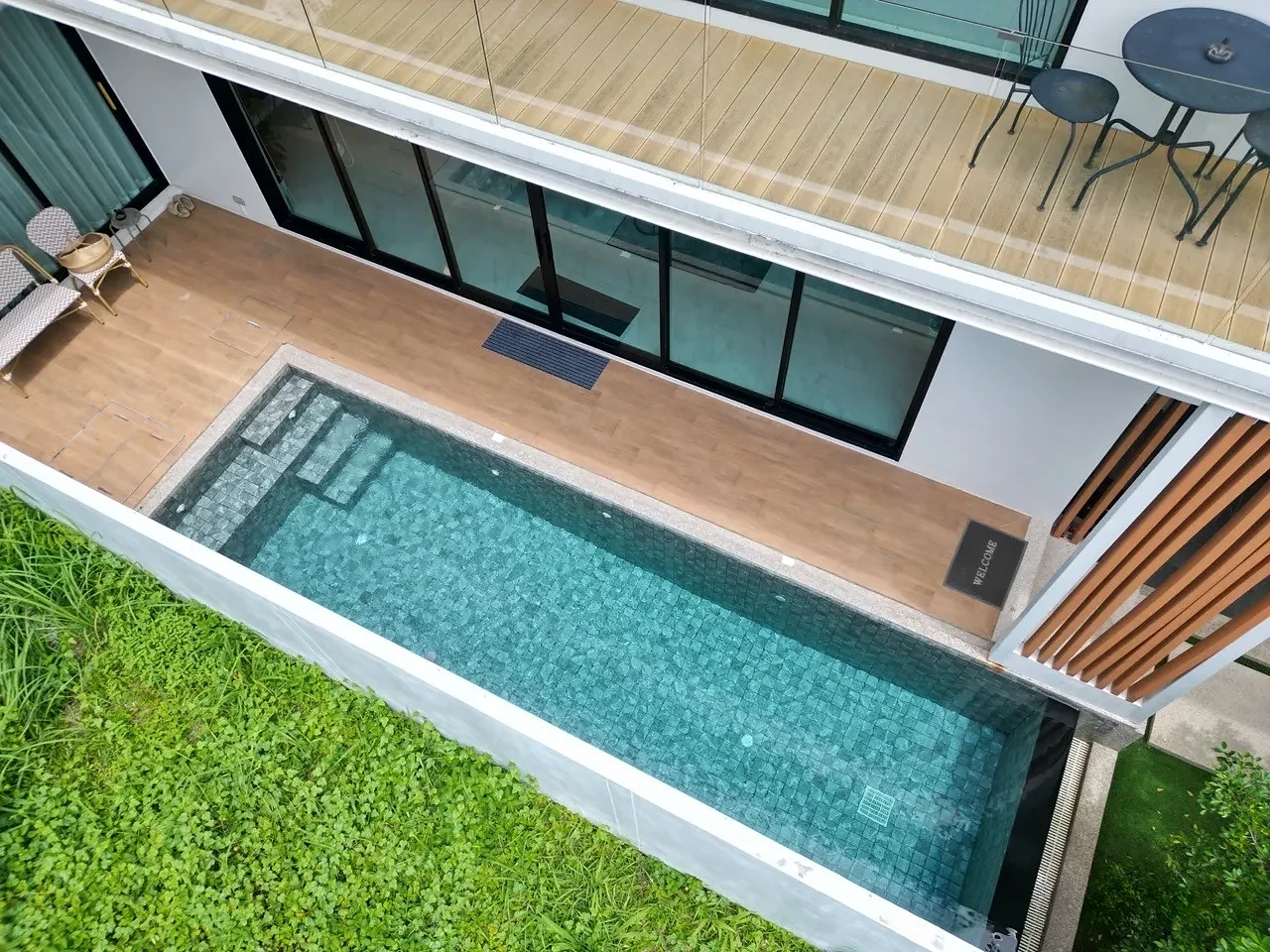 For rent
Rawai & Nai Harn
฿100k / month
Three-bedroom pool villa, Rawai
3 bed · 3 bath · 250 sq m · Plot 300 sq m
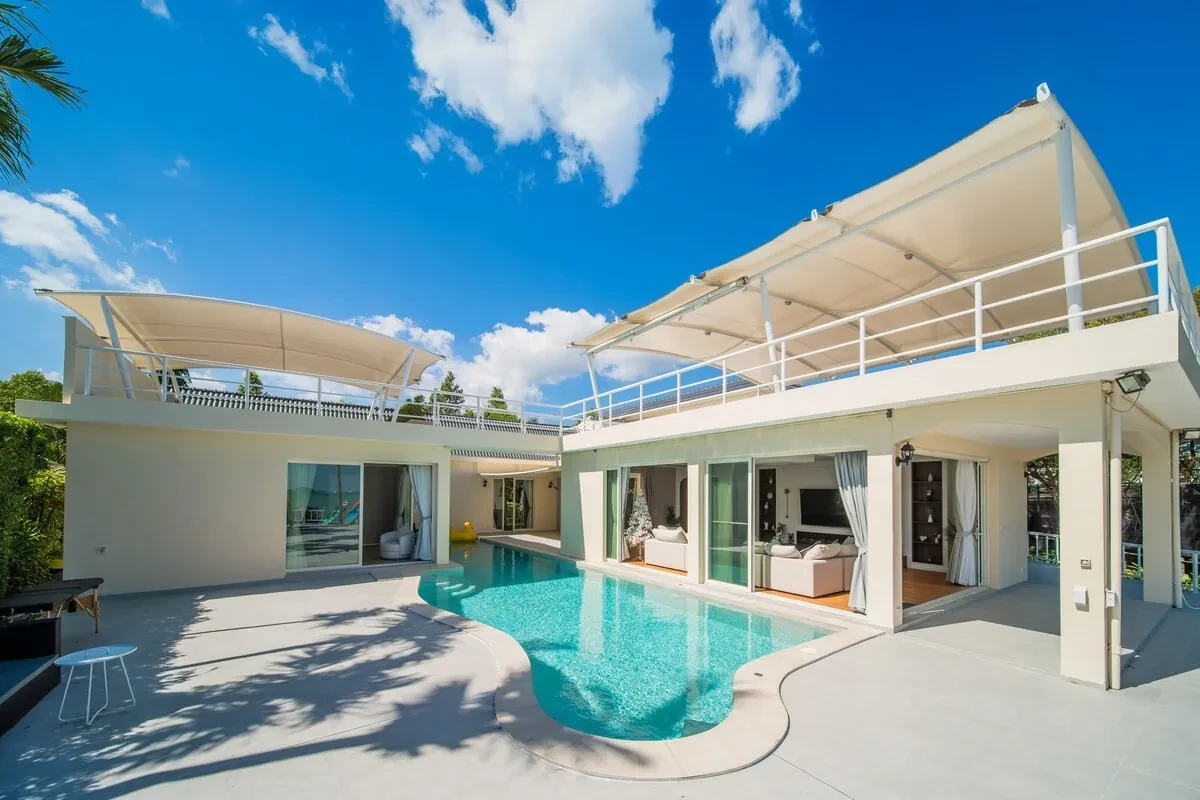 For rent
Rawai & Nai Harn
฿350k / month
Four-bedroom oceanfront villa, Rawai
4 bed · 4 bath · 505 sq m · Plot 804 sq m
The feel
Rawai is a working seafront village that grew a residential hinterland. Longtail boats still pull up on the beach, the seafood market sells the morning catch, and behind it run dozens of quiet sois lined with pool villas and small condo blocks.
Nai Harn, next door, has the better beach. A sheltered bay framed by hills, with a freshwater lake behind it where residents run the loop most evenings. Promthep Cape, the island's best-known sunset point, is a few minutes up the hill.
The tone is casual. People come for the long stay rather than the fortnight. You see more yoga mats and Muay Thai gloves than designer labels, and the cafés are full of people who have been coming back for ten years. It is the part of Phuket that feels least like a resort.
Where to live
Nai Harn and the lake
The most sought-after pocket. Homes within walking distance of Nai Harn Beach and the lake carry a premium, and condo projects here suit buyers who want a lock-up-and-leave base.
Saiyuan
A grid of residential sois between Rawai and Nai Harn, popular with families and long-stay residents. Mostly private pool villas on decent plots, close to everyday shops.
Soi Weerachot and Rawai beach side
Closer to Rawai Beach and the seafood market, with newer villa developments mixed in among older homes. Convenient for Phuket Town and the international schools to the north.
Ya Nui and the hillsides
Higher ground near Ya Nui and towards Promthep, where some homes have sea views. Fewer properties, steeper roads, higher prices.
Chalong
North of Rawai, around Chalong Bay, the pier and the hills below the Big Buddha. Chalong has more space for the money, several gated villa estates and quick access to Phuket Town. It is folded into this guide because many buyers look at the two together.

Daily life
Beaches
Nai Harn is the swimming beach. Rawai Beach is for boats rather than bathing, and the jumping-off point for day trips to the southern islands. Ya Nui, Kata Noi and Kata are all within a short drive.
Dining
The Rawai seafood market lets you choose your fish and have a neighbouring restaurant cook it. Beyond that, the area is full of small independent cafés, Thai restaurants and health-food spots, with more choice along the roads into Chalong.
Schools
The International School of Phuket is a short drive from Soi Weerachot. In Chalong there is BCIS International School Phuket, which runs British Cambridge and French curriculum streams from 18 months to 18. QSI International School of Phuket, with an American curriculum, is further north in Kathu, off the Bypass Road. HeadStart International School has a campus at Chaofah City. Several smaller kindergartens operate locally, including Little Lights in Rawai and Lighthouse in Chalong.
Healthcare
Chalong has a public hospital and several private clinics. The main private hospitals, including Bangkok Hospital Phuket and Bangkok Hospital Siriroj, are in Phuket Town, typically 20 to 30 minutes' drive.
Getting to the airport
This is the trade-off. Rawai and Nai Harn are about as far from Phuket International Airport as you can get on the island. Allow 60 to 90 minutes, more in peak traffic or heavy rain.
Who it suits
- Long-stay residents and retirees who want a community, not a resort.
- People who live an active outdoor life: running, cycling, Muay Thai, sailing.
- Buyers looking for more villa for their money than the west coast offers.
- Families whose children attend schools in Chalong or the south.
It suits people less well if they fly in and out frequently, or want a full beach-club scene on the doorstep.

Buying here
Condos in Rawai and Nai Harn can be bought on foreign freehold title within each building's 49% foreign quota, provided the purchase money comes from overseas in foreign currency.
For villas, foreigners cannot own land. The usual route is a registered land lease of up to 30 years with ownership of the building. Some developers here advertise freehold and leasehold structures for villas. Where "freehold" means land held by a Thai company, ask your own lawyer to check the structure carefully: companies set up with nominee Thai shareholders are illegal and carry real risk.
Rawai has a lot of older, privately sold homes. Check the title deed type, building permits and any rights of way before you agree a price. An independent snagging inspection can be arranged before you commit.
This is general guidance, not legal advice.
Questions
Frequently asked questions
Where do most expats live in Phuket?
The two largest long-stay communities are in Rawai and Nai Harn in the south, and in Bang Tao, Laguna and Cherngtalay on the west coast. Rawai tends to attract retirees and long-stay residents; Bang Tao attracts families and people who fly in and out.
Can foreigners buy property in Rawai?
Yes, with limits. You can own a condo on foreign freehold title within the 49% foreign quota. You cannot own land, so villas are usually bought on a registered 30-year lease with ownership of the building.
How far is Rawai from Phuket airport?
Allow 60 to 90 minutes by car, depending on traffic and weather.
Looking in Rawai or Nai Harn?
Tell Khun Mark your budget and must-haves and he will send you a shortlist, or view homes for you if you are still overseas.