



Guide: retiring from the UK
Retiring to Phuket from the UK
Phuket has a long-established retirement community, particularly in the south of the island. It also has costs and catches that the brochures skip. This is the retiree's view: the visa, the money, the pension freeze, healthcare at 70 and beyond, and where people actually live.
Updated 27th October 2026 · 8 min read
The visa route
Most British retirees use the Non-Immigrant O retirement visa. You must be 50 or over and hold ฿800,000 in a Thai bank, or show ฿65,000 a month in income, or a mix. You renew it each year at Phuket Immigration and report your address every 90 days.
Alternatives suit different budgets. The O-X gives British citizens up to ten years for a ฿3,000,000 deposit. Thailand Privilege swaps the deposit for a membership fee from ฿650,000. Pensioners with at least US$80,000 a year of passive income can use the LTR, which also exempts foreign income from Thai tax.
The detail is in the retirement visa guide and the visas guide.
What it costs to live here
Phuket costs more than most of Thailand and less than most of the UK. Housing and health insurance are the two numbers that decide your budget.
Everyday costs. Numbeo's crowd-sourced figures, updated on 2 October 2026, put monthly costs excluding rent at about ฿21,400 for a single person.
Health insurance. This rises with age and is often the largest cost after rent. Pacific Prime's published sample quotes from August 2026, for one man with worldwide cover excluding the USA and both inpatient and outpatient benefits, ran from about US$6,700 to US$21,700 a year at ages 60 to 69 and from about US$9,800 to US$22,800 a year at 70 and over. Your own quote will depend on your age, health, plan and excess.
Money you cannot spend. On the Non-O route, ฿800,000 must sit in a Thai bank account in your own name for two months before you apply and three months after approval, at every renewal; after those three months the balance can drop, but never below ฿400,000.
Everyday costs are covered in more depth in the moving to Phuket guide.

Your State Pension in Thailand: the freeze
The UK pays the State Pension worldwide, but only pays the annual increase in the EEA, Switzerland and countries with a qualifying social security agreement. Thailand is not on that list.
In practice, you keep the rate you were paid when you moved, or when you first claimed here, for as long as you live in Thailand. The full new State Pension is £241.30 a week in 2026/27. A retiree arriving now would still receive that figure in ten years' time, while pensioners in the UK receive yearly rises.
If you return to live in the UK, payments go up to the current rate, but the missed increases are not paid back. Plan your budget on the frozen figure, and treat private pensions and savings as the part that has to keep pace with prices.
Pensions and tax
If you live here 180 days or more in a year, you are Thai tax resident, and pension income you bring into Thailand can be taxed here. Under the UK and Thailand double taxation convention, UK government service pensions (civil service, armed forces, local authority) are taxable only in the UK. Other pensions, including the State Pension and private pensions, can be taxed in both countries, with UK tax credited against Thai tax.
How and when you bring money into Thailand matters. Savings made before 2024 can be treated differently from pension income paid now. The tax guide covers this, and it is worth an hour with an adviser who knows both systems before you move.

Healthcare and insurance at older ages
Private hospitals here are good, with English-speaking staff and international patient teams at the larger ones. They are not free, and Thailand has no reciprocal healthcare agreement with the UK.
Insurance is easier to arrange at 60 than at 75. Many policies limit the age at which you can join, and premiums rise with age. As of September 2026, at least one Thai long-stay plan accepted new applicants under 80; international expat plans offer more choice but become more limited over 70. Look for a policy that guarantees renewal for life, and declare everything: undeclared conditions are the most common reason claims fail.
If you choose the O-A or O-X visa, the insurance has to meet set minimums. See the healthcare guide.
Where retirees live on the island
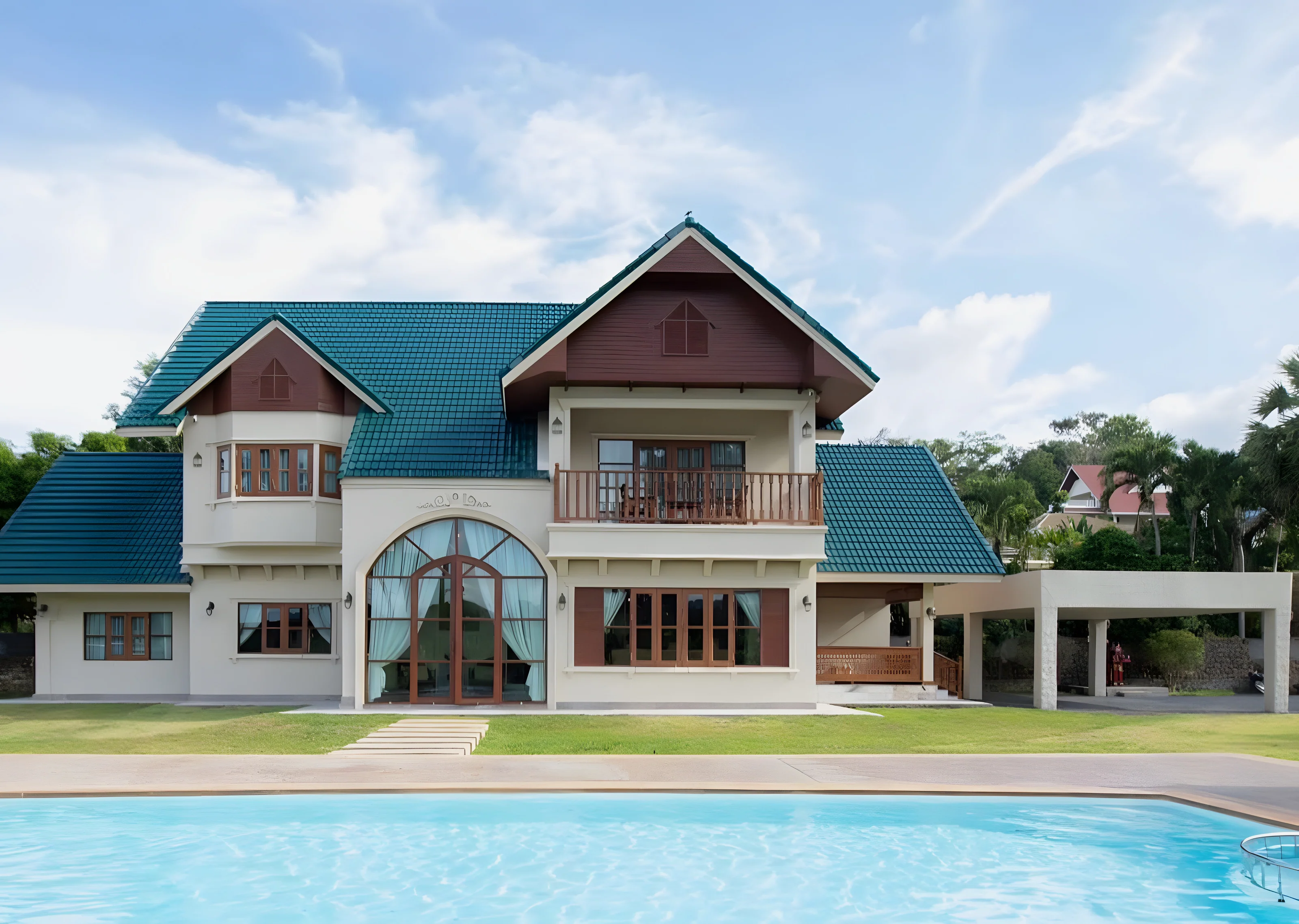
Rawai and Nai Harn. The island's best-known long-stay community: green, residential and settled, with Nai Harn Beach and lake on the doorstep and more villa for your money. The trade-off is a 60 to 90-minute drive to the airport.
Bang Tao, Laguna and Cherngtalay. Polished and practical, with Boat Avenue for daily life, golf in Laguna, a Bangkok Hospital Phuket clinic in Laguna and 20 to 30 minutes to the airport. Popular with retirees who travel home often.
Surin and Kamala. Kamala is flat and walkable, which matters more with every year. Surin's hillside villas have the views, and the hills.
Layan. Quiet, dark at night and close to Bang Tao. Suits retirees who want peace with restaurants five to ten minutes away.
Cape Yamu. Private oceanfront estates on the calm east coast. Beautiful and secluded, and you will drive for most things.

Buy or rent?
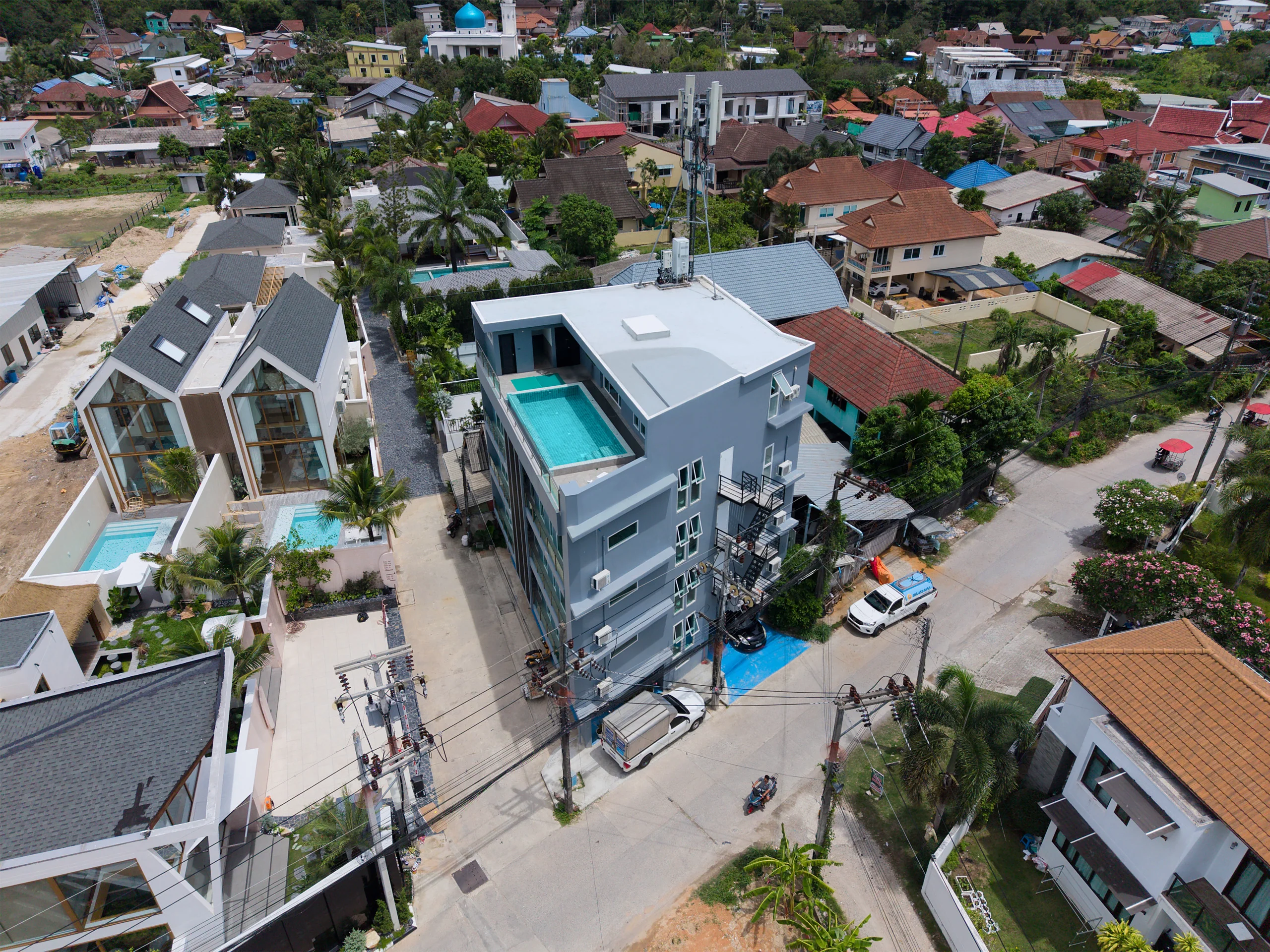
As a foreigner you can own a condo freehold, within the 49% foreign quota of each building. You cannot own land, so a villa is usually bought on a registered 30-year lease. The freehold and leasehold guide explains the structures, and the ownership tool shows what you can own in three taps.
Khun Mark suggests renting for six to twelve months first. Rawai in the rainy season is a different place from Rawai in January. Renting also leaves your capital free while the visa and bank account settle. When you are ready, a condo is the simplest thing to own, sell and leave to your heirs.
The honest downsides
People search for reasons not to retire in Thailand, and there are real ones. Khun Mark would rather you hear them from him.
- The frozen State Pension. Its value falls in real terms every year you live here.
- Insurance. Premiums climb with age, and pre-existing conditions are often excluded.
- Yearly paperwork. Visa renewals, 90-day reports and re-entry permits. Miss one and you can lose the visa.
- Money tied up. ฿800,000 in a Thai account on the most common route, exposed to the exchange rate.
- No land ownership. Villas are leasehold; condos are freehold.
- Distance. Grandchildren, funerals and hospital visits at home mean long flights.
- Heat and roads. The hot season is hot, the rainy season is wet, and road safety is a serious issue.
None of these stops people retiring here happily. They are reasons to plan.

Frequently asked questions
Can I retire to Thailand from the UK?
Yes. If you are 50 or over you can apply for a retirement visa from the UK. The most common, the Non-O, needs ฿800,000 in a Thai bank or ฿65,000 a month in income, renewed yearly.
How much do I need to retire in Phuket?
Numbeo puts everyday costs excluding rent at about ฿21,400 a month for a single person (October 2026). Add rent, from about ฿20,000 a month for a one-bedroom apartment, and health insurance, which depends on your age. On the Non-O visa you also need ฿800,000 held in Thailand.
Will my UK State Pension be frozen in Thailand?
Yes. Thailand is not one of the countries where the UK pays annual increases, so your pension stays at the rate you receive when you start being paid here.
Is Phuket good for retirement?
For many people, yes: private hospitals, an established British community, and areas from busy Bang Tao to settled Rawai. It costs more than other parts of Thailand, and the island's traffic and airport distances matter more as you get older.
What are the disadvantages of retiring in Thailand?
A frozen State Pension, rising insurance costs, annual visa paperwork, money held in a Thai account, no land ownership for foreigners, and long flights home.
Figures were checked in October 2026 against gov.uk, Thai immigration and professional sources. Pension, tax and visa rules change. Take advice on your own position. This is general guidance, not legal or tax advice.
Next steps
Planning your retirement here?
Tell Khun Mark your budget and the life you want. He will show you rentals to try first, and homes to buy when you are ready.